General Contractor: Your Preferred Specialist for Home Undertakings
A general contractor assumes a fundamental role in home projects. They manage assorted components of building, confirming that processes function flawlessly. Their proficiency with construction codes and regulations allows them to navigate the complexities of permits and evaluations. This expert functions as a critical link between homeowners and specialist contractors. Yet, many homeowners remain unsure about the full scope of their work. Knowing these details can greatly impact the triumph of any renovation project effort.
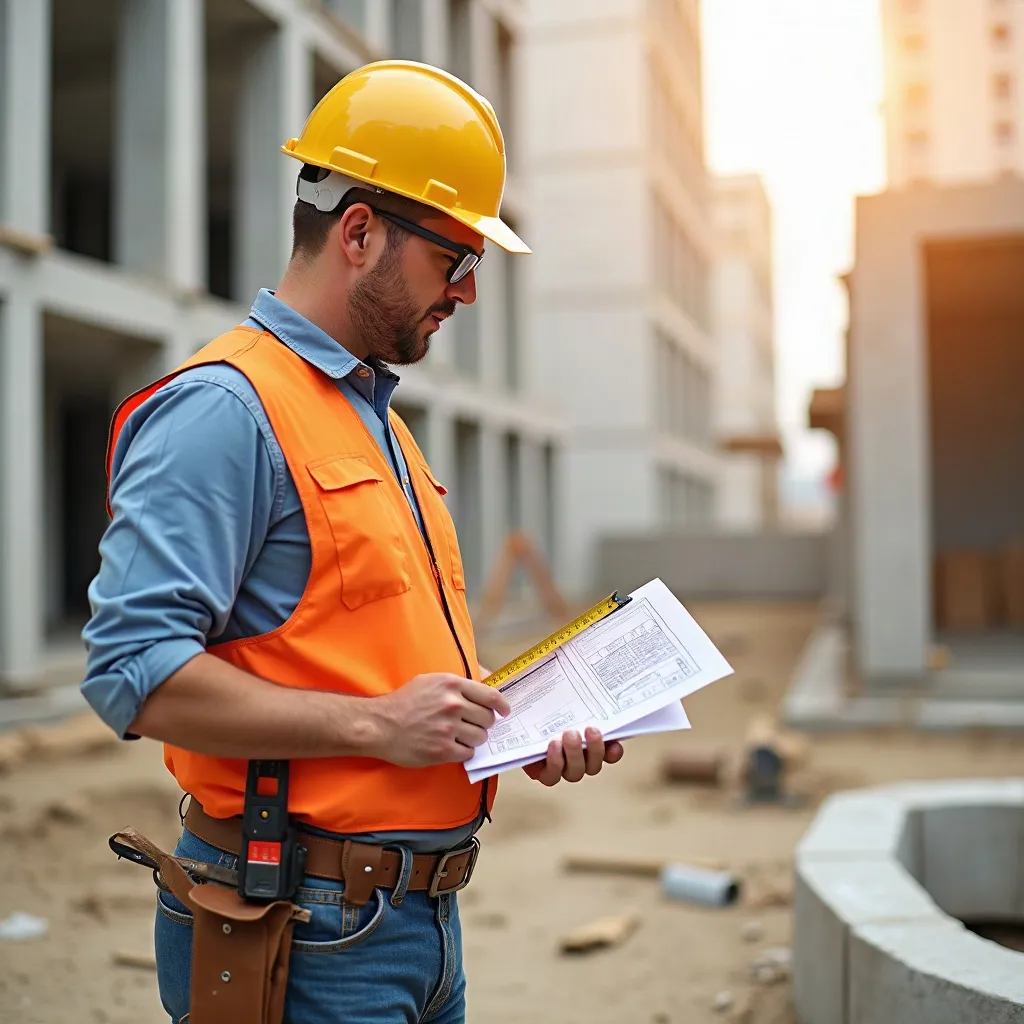
In What Ways Do a General Contractor Work?
A general contractor directs the different components of a construction project, ensuring that everything runs smoothly from start to finish. They serve as the main liaison, overseeing correspondence between customers, specialized contractors, and suppliers. This position involves planning the project timeline, organizing workforce, and maintaining adherence with local building codes and regulations.
General contractors are responsible for obtaining necessary permits and scheduling inspections, which are vital for upholding safety and quality benchmarks. They also manage budgeting, sourcing materials, and managing on-site activities to mitigate any potential delays or issues. In addition, they supervise subcontractors, ensuring that each phase of construction conforms to project specifications and timelines. Overall, a general contractor's knowledge and management abilities are essential to completing a successful construction project, transforming a client's vision into reality while balancing multiple tasks and responsibilities.
Advantages of Working with a General Contractor for Residential Renovations
Working with a skilled builder for house remodeling delivers multiple perks that can significantly boost the efficiency and quality of the project. Experienced contractors offer expertise in project management, ensuring that timelines are met and materials are managed efficiently. Their solid connections with subcontractors can produce better rates and outstanding quality, which ultimately helps homeowners by saving both time and money.
Furthermore, general contractors handle the intricate details of permits and inspections, limiting conceivable compliance concerns. They also supply a one main contact, simplifying communication and coordination among multiple specialists. This streamlining lowers the probability of errors and postponements.
In addition, their proficiency enables them to foresee potential challenges, allowing proactive solutions to maintain the project on track. By contracting a general contractor, homeowners can devote attention to their vision while savoring peace of mind, confident that a professional is overseeing every aspect of the renovation.
Refuting False Notions About General Contractors
While many homeowners may hold misconceptions about general contractors, understanding the realities can result in more sound decisions. One popular myth is that hiring a general contractor is unnecessary for minor projects; nevertheless, their know-how can facilitate even small-scale renovations, guaranteeing observance with local codes. Another common belief is that contractors are merely middlemen, but they frequently have extensive knowledge in several disciplines, enabling them to manage projects competently. Additionally, some clients believe that working with a contractor will significantly inflate costs. In fact, a skilled contractor can often negotiate better costs for materials and labor due to established relationships with suppliers and subcontractors. Lastly, many consider that general contractors are unyielding, but dependable contractors value client communication and collaborate closely to address unique needs. Resolved myths can empower homeowners to capitalize on the genuine value of general contractors in achieving successful home projects.
How to Pick the Right General Contractor?
How can property owners guarantee they choose the right general contractor for their projects? The process begins with thorough research. Homeowners should seek suggestions from friends, family, or online reviews to identify qualified contractors. Once a list is compiled, confirming credentials, such as licensing, insurance, and bonding, is crucial to confirm credibility.
Next, property owners should request and review portfolios of past projects, concentrating on projects similar in scope. Scheduling meetings allows homeowners to gauge compatibility, discussing timelines, budgets, and expectations. It's also advisable to obtain multiple quotes for evaluation, offering a clear understanding of expenses.
Reviewing references gives perspective on a contractor's dependability and expertise. Finally, relying on your gut feeling is important; an initial meeting can uncover a contractor's communication style and approach. By following these steps, homeowners can substantially improve their odds of choosing a general contractor who suits their project needs and vision.
Proven Conversation Techniques With Your General Contractor
How can homeowners leverage techniques to ensure clear interaction with their general contractor? Setting transparent communication from the commencement is vital. Homeowners must explicitly state their expectations, project objectives, and spending restrictions during opening conversations. Frequent updates can be enabled through scheduled discussions, confirming that both parties stay aligned throughout the project.
Using documented records, such as emails or project logs, serves to reinforce spoken commitments and reduces misunderstandings. Homeowners should also encourage open dialogue by inviting feedback and questions from the contractor, creating a cooperative atmosphere.
Furthermore, taking advantage of tech solutions, such as project management apps, can facilitate communication by establishing a centralized platform for relaying updates, timelines, and changes. Finally, practicing politeness and approachability can strengthen mutual understanding, allowing for it to be easier for the contractor to raise challenges or suggestions with success. By putting into practice these strategies, homeowners can establish a productive and honest relationship with their general contractor.
Things to Know When Your Project Starts?
As the project starts, homeowners can look forward to a flurry of activity on-site. The lead contractor will coordinate squads of experienced workers, along with electricians, plumbers, and carpenters, who will begin their responsibilities following the established timeline. Homeowners may witness heavy machinery and materials being delivered, fostering a bustling atmosphere.
Remaining in communication is essential during this phase. The contractor will share updates on how things are progressing and address any concerns that emerge. Homeowners should be prepared for potential disruptions, such as loud sounds and restricted access to certain areas of the home.
Safety safeguards will be in place to protect both workers and residents, ensuring a secure space. Additionally, homeowners may be advised to maintain flexibility, as unforeseen issues can arise, necessitating adjustments to the original plan. Overall, this initial phase sets the stage for the successful completion of the project, and active commitment is essential.
Essential Questions for Your Contractor Agreement?
Identifying the appropriate questions to pose when finalizing a general contractor agreement is essential for ensuring a seamless project. Homeowners should ask about the contractor's permit and coverage to confirm their qualifications and protection against liabilities. Understanding the project timeline and checkpoints is meaningful; therefore, asking about estimated completion dates helps control expectations.
It is also paramount to articulate financial specifications, such consult now as down payments and payment schedules, to ward off misconceptions. Homeowners should secure a granular analysis of outlays, highlighting materials and skilled work, to copyright transparency. In addition, engaging in discussion about the process for addressing alterations or unforeseen issues can eliminate disagreements later.
In conclusion, homeowners should investigate details about the qualifications of their subcontractors, as well as the contractor's communication approach throughout the project. By reviewing these points, homeowners can develop a strong relationship with their general contractor, ultimately leading to a successful home project.
Frequently Requested Questions
How Do General Contractors Bill for Their Services?
Contractors generally collect fees via flat fees, time-based rates, or a share of the complete project budget. Their pricing structure may additionally encompass materials, labor, and overhead, relative to the project's complexity and scope.
Can a General Contractor Give Assistance With Requirements and Examinations?
Yes, a construction contractor can assist with obtaining permits and overseeing inspections. They typically navigate local regulations and ensure adherence, streamlining the process for homeowners while enabling necessary authorizations throughout the building project.
What Skills Should I Find in a General Contractor?
When selecting a general contractor, one should consider qualifications such as licensing, insurance, experience in relevant projects, solid recommendations, and effective communication skills, ensuring they possess the necessary expertise to oversee the project successfully.
What Timeframe Should You Anticipate for a Typical Home Remodeling Venture?
A conventional home remodeling project can take anywhere from a few weeks to several months, according to the range, intricacy, and size of the project, as well as the availability of materials and labor.
What Takes Place if My Undertaking Overshoots Budget?
Should a project go over budget, the builder typically discusses the causes and alternatives with the property owner. Modifications may involve scaling back, pursuing more funds, or adjusting the project parameters to conform to budget constraints.